Same-day commercial response across Atlanta · COI same day · Calls answered 24/7

Loading Dock Equipment

Levelers, seals, restraints, lighting.

Dock levelers, seals and shelters, vehicle restraints, dock lighting and communication systems. Repair, retrofit, and full new installation across the Atlanta metro. Rite-Hite, Kelley, Pentalift, Serco authorized. Written quote, COI same day.

4.9 ★ on Google
1,200+ reviews Family-owned since 1979
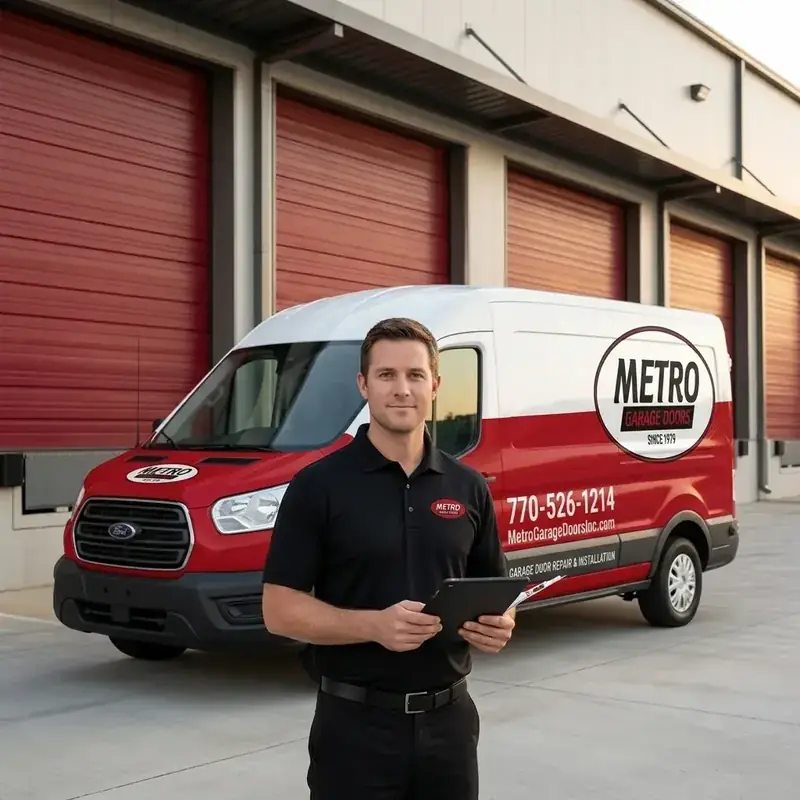
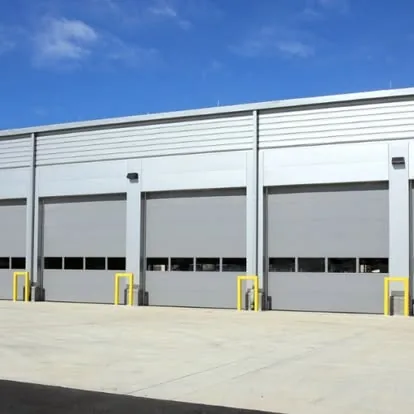
Commercial loading dock equipment install at an Atlanta-metro distribution facility
★★★★★ 4.9 Google Rating 1,200+ reviews · 2 locations
$2M Insured GL + workers' comp · COI same day
Same-Day Response Commercial emergencies · 24/7 on-call
Family-Owned Two locations since 1979
Licensed Bonded · GA contractor license

Loading dock equipment across the Atlanta metro.

Metro installs and services full loading dock equipment across the Atlanta metro — hydraulic and mechanical dock levelers, dock seals and shelters, vehicle restraints, dock lighting and communication systems. Authorized for Rite-Hite, Kelley, Pentalift, and Serco. Retrofit existing pits or full new dock construction. COI same day, family-owned since 1979.

Full dock equipment line

Levelers, seals, restraints, lighting, comm — one vendor, one COI, one warranty path. No coordinating between three different installers for a single dock.

Retrofit-friendly

We work with existing pits and existing electrical, not just new construction. Most retrofits stay within the original pit footprint and use the existing 480V supply.

OSHA-compliance audit on every install

Vehicle restraints must engage before the leveler can lower (per OSHA 1910.178 and most insurer requirements). We document the interlock test on every install.

Dock Equipment Selection & Code

A loading dock is five integrated systems — leveler, seal, restraint, lighting, communication.

Buying these as separate point solutions usually means they don't integrate. Specifying them together saves on install, on warranty, and on the OSHA-required interlock testing.

Leveler types. Three categories: mechanical (spring-and-counterweight, lowest install cost, highest maintenance), hydraulic (pump-and-cylinder, smoothest operation, longest life, highest install cost), and air-powered (inflatable bag, mid-range cost, popular in food service and pharma where hydraulic fluid contamination is a concern). Cycle ratings: residential 5,000/year, light commercial 10,000, heavy distribution 50,000+. Spec the leveler to your truck count per shift, not to your dock count.

Seal and shelter types. Head-curtain only (lightest, used when trailer width is consistent), full surround foam (compresses against the trailer for tighter seal — used in conditioned facilities), and inflatable shelter (powered, used in cold storage and pharma where seal integrity is most critical). Selection driven by trailer width variance — fleets with consistent trailer widths can use simpler seal designs; mixed-fleet docks need adaptable shelter systems.

Vehicle restraints. The most-overlooked component — and the one OSHA cares about most. Manual chock (cheapest, easy to forget, lowest insurer rating) through electronic motor-driven hook (highest reliability, integrates with leveler interlock, required by some insurers). OSHA 1910.178 and most insurer requirements mandate that the restraint must engage before the leveler can lower — meaning a forklift can't drive onto a trailer that isn't secured. We document this interlock test on every install.

Dock lighting and communication. LED dock-arm lights (replacing the old halogens — 80% energy savings, longer life), pit-mounted indicator lights (status to the truck driver outside), interior status lights (red/green to the forklift operator inside), intercom systems for driver-coordinator communication, and RFID for fleet tracking. Specify communication requirements alongside the leveler — adding them later means tearing into the dock face twice.

Preventive maintenance importance. A leveler that's been running on degraded hydraulic fluid for two years is the most expensive repair on a dock — typically $4,000–$8,000 for full hydraulic system replacement. Quarterly fluid inspection, semi-annual seal replacement on the cylinders, and annual restraint-engagement testing prevent ~80% of dock equipment failures. Service contracts →
Hydraulic levelers highest cycle, lowest maintenance, longest life Vehicle restraints OSHA-required interlock with leveler Full retrofit existing pit, new equipment, same footprint
When to Call

Three dock-equipment failures that shut your dock down.

If any of these are happening at your facility right now, call (770) 526-1214 — dock failures are revenue events.

"Leveler stuck mid-lift — driver waiting, can't unload."
Hydraulic system or cylinder failure

Most common cause: hydraulic seal failure causing fluid loss or air in the line. Less common: pump or valve failure. We diagnose on-site, can typically lower the leveler manually with the bypass valve to clear the truck, then schedule the repair. Same-visit when seals or fluid are the issue.

"Seal torn — energy bill climbing, ServSafe inspector asking questions."
Compromised seal on a conditioned or food-service dock

A torn dock seal in food service is a compliance issue at the next ServSafe or FDA inspection — the seal is the thermal and vermin barrier between the trailer and the conditioned space. We replace the seal kit (typically half-day per dock) and document the inspection-grade install.

"OSHA inspector flagged the manual chocks — need motorized restraints."
Insurer or OSHA-driven restraint upgrade

Manual chocks are still legal but most insurers and many large customers (Walmart, Amazon, retail DCs) require motorized vehicle restraints with leveler interlock. We retrofit to motorized restraint, integrate with the leveler controls, and document the interlock test for your insurer or AHJ.

More Commercial Services

Other commercial work we handle for Atlanta-metro facilities.

One vendor across overhead, rolling steel, fire, high-speed, dock, and ongoing service contracts. One COI, one document trail, one warranty path.

How We Price Commercial Work

Every commercial job quoted in writing — labor, parts, and any contract pricing itemized.

Commercial scope and complexity vary too widely to publish a flat rate, so we don't. What we do guarantee: a written quote within one business day of site walkthrough, line-item detail on labor and parts, and the same hourly rate seven days a week (no nights/weekends premium).

Quoted in writing

Site walkthrough, then a written quote within one business day. Line-item labor + parts. The number on your estimate is the number on your invoice.

Same rate seven days a week

Weekday, weekend, after-hours — same hourly rate. We schedule commercial work around your operating hours so you don't lose a shift. Only emergency dispatch carries an after-hours premium.

Backed for life

Lifetime workmanship on Metro installs. OEM warranty on parts passes through to you. Service contract holders get locked-in parts pricing for the contract term.

$2M general liability + workers' comp · COI same day · Service contracts available

Loading Dock Equipment FAQ

Questions facility & property managers actually ask.

For COI requests, RFPs, or multi-site quotes email service@metrogaragedoorsinc.com or call (770) 526-1214.

Which leveler type do you recommend?
Depends on cycle count and environment: hydraulic for heavy distribution and 24/7 operations (smoothest, longest life), mechanical for light-cycle operations where install cost matters most, air-powered for food service and pharma where hydraulic fluid contamination is a concern. We spec to your shift truck count, not your dock count.
Can you retrofit dock equipment into an existing pit?
Yes — most retrofits stay within the original pit footprint and use the existing 480V supply. Site walkthrough first to confirm pit dimensions, drainage, and electrical capacity. Typical retrofit: one to two full days per dock depending on equipment scope.
Are vehicle restraints OSHA-required?
OSHA 1910.178 requires trailers to be secured before forklift operation — wheel chocks satisfy the minimum, but motorized restraints are increasingly required by insurers and large customers. The motorized restraint integrated with the leveler interlock is the strongest position for both compliance and forklift-operator safety.
What brands of dock equipment are you authorized for?
Rite-Hite, Kelley, Pentalift, Serco — we order direct, install to OEM spec, and stand behind the manufacturer warranty. We also service most other major dock brands you may have inherited (DLM, Nordock, McGuire, etc.).
How long does a full dock retrofit take?
Single dock retrofit (leveler + seal + restraint + lighting): typically 1.5 to 2 full days per dock. Multi-dock projects: phased install so you maintain partial dock capacity throughout. We schedule around your operating hours — early morning, after-hours, weekends — same hourly rate.
Can you install on weekends to avoid shutting down operations?
Yes — same hourly rate as weekday business hours. Most large-facility dock work happens on weekends or overnight to keep daytime operations running. Schedule with our commercial coordinator at (770) 526-1214.
What's the lead time for new dock equipment?
Levelers and restraints: typically 3–5 weeks from order. Seals and shelters: 2–4 weeks. Custom dimensions or specialty configurations (oversize, NEMA 4, food-grade): 6–8 weeks. We hold the project until everything's on-site so the install sequences correctly.
Do you handle multi-dock projects (10+ docks)?
Yes — we've installed multi-dock retrofits at distribution centers across the Atlanta metro. Multi-dock pricing typically beats single-dock significantly on labor. Submit details via the commercial quote form for a phased rollout proposal.

Commercial door down, dock stalled?
We're dispatched today.

Call now for same-day commercial response across the Atlanta metro — or request a written quote and we'll respond within one business day. COI same day.

Call Now Request Quote
Call